Last updated: September 10, 2026
Key Takeaways
- How much does a stamped concrete patio cost per square foot in 2026?
- It is also the wrong choice if you expect the lowest maintenance material over 20 years.
- A “roughly 300 square feet” note is not enough to price accurately.
- A 400-square-foot patio is not always exactly twice the price of a 200-square-foot one because mobilization and setup get spread out.
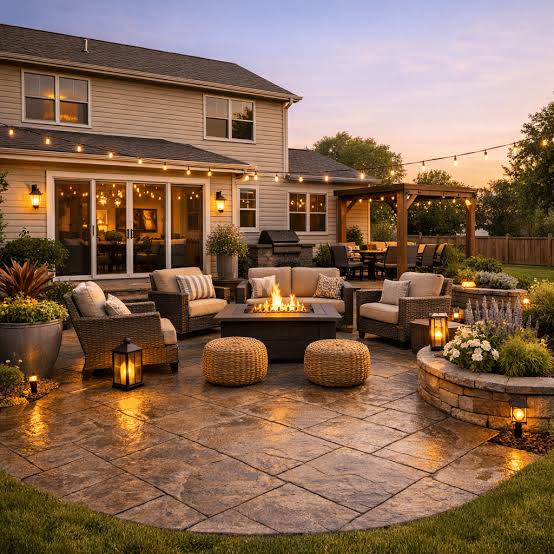
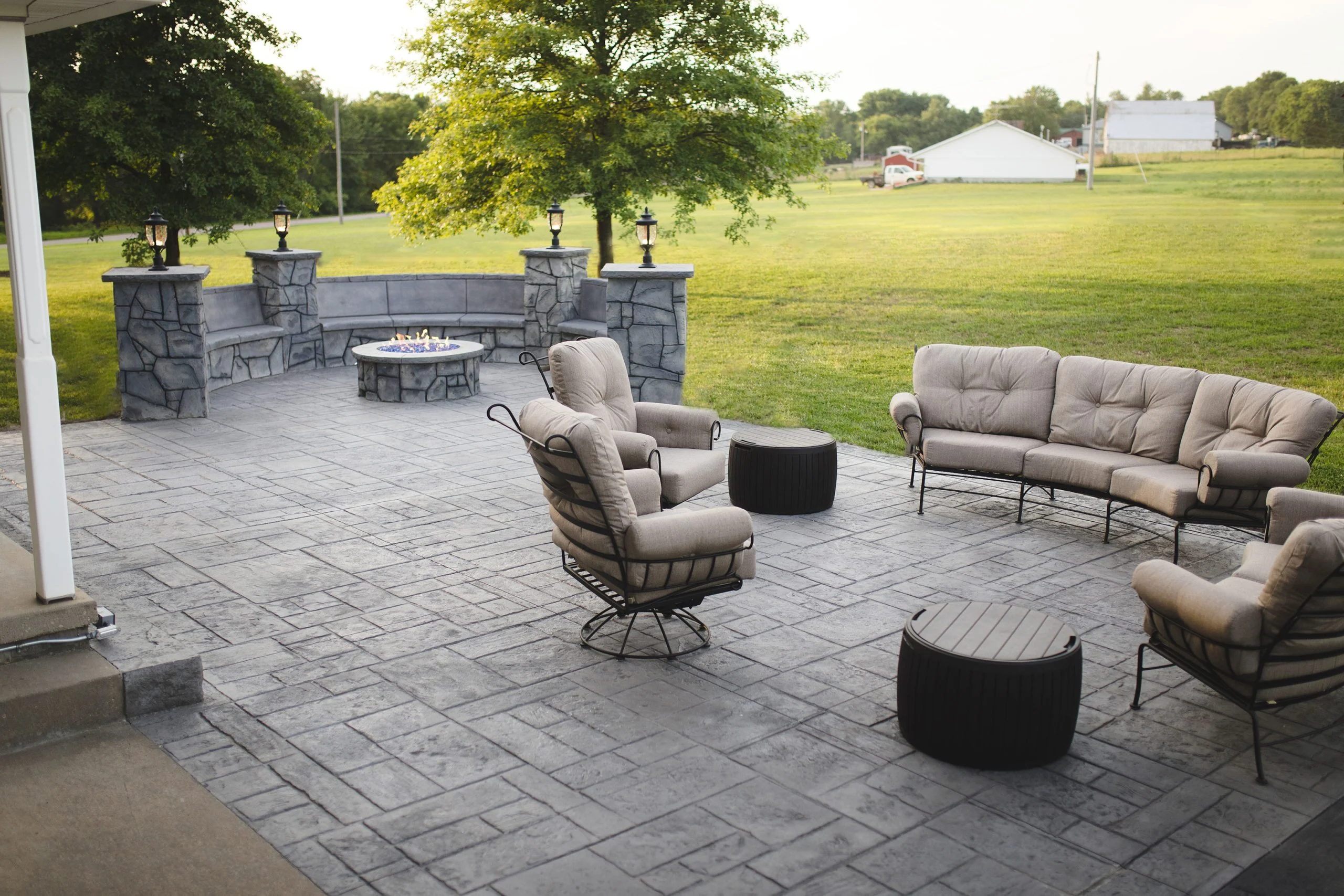
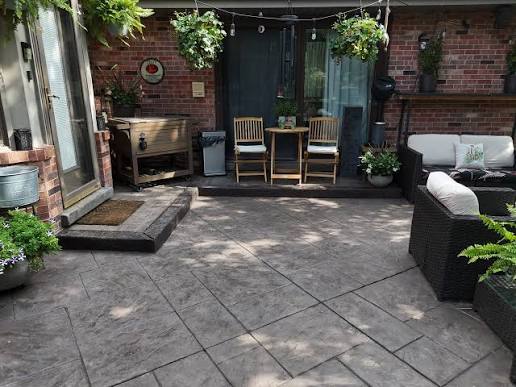
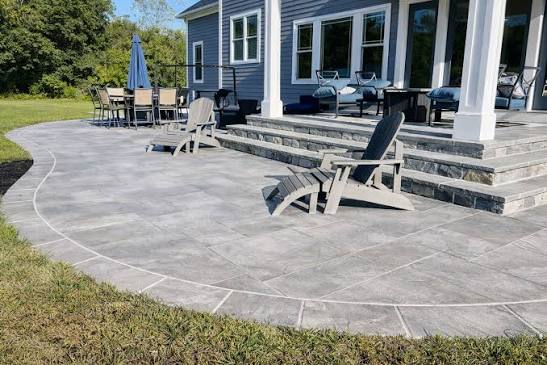
A stamped concrete patio cost in 2026 usually starts in the mid four figures for a small build and can climb into the low five figures once the size, detailing, and site conditions get more demanding. Square footage matters. So do pattern complexity, color, access, and prep. This guide lays out the drivers, what a quote ought to cover, and when another surface may fit better.
What this cost covers, and who this applies to
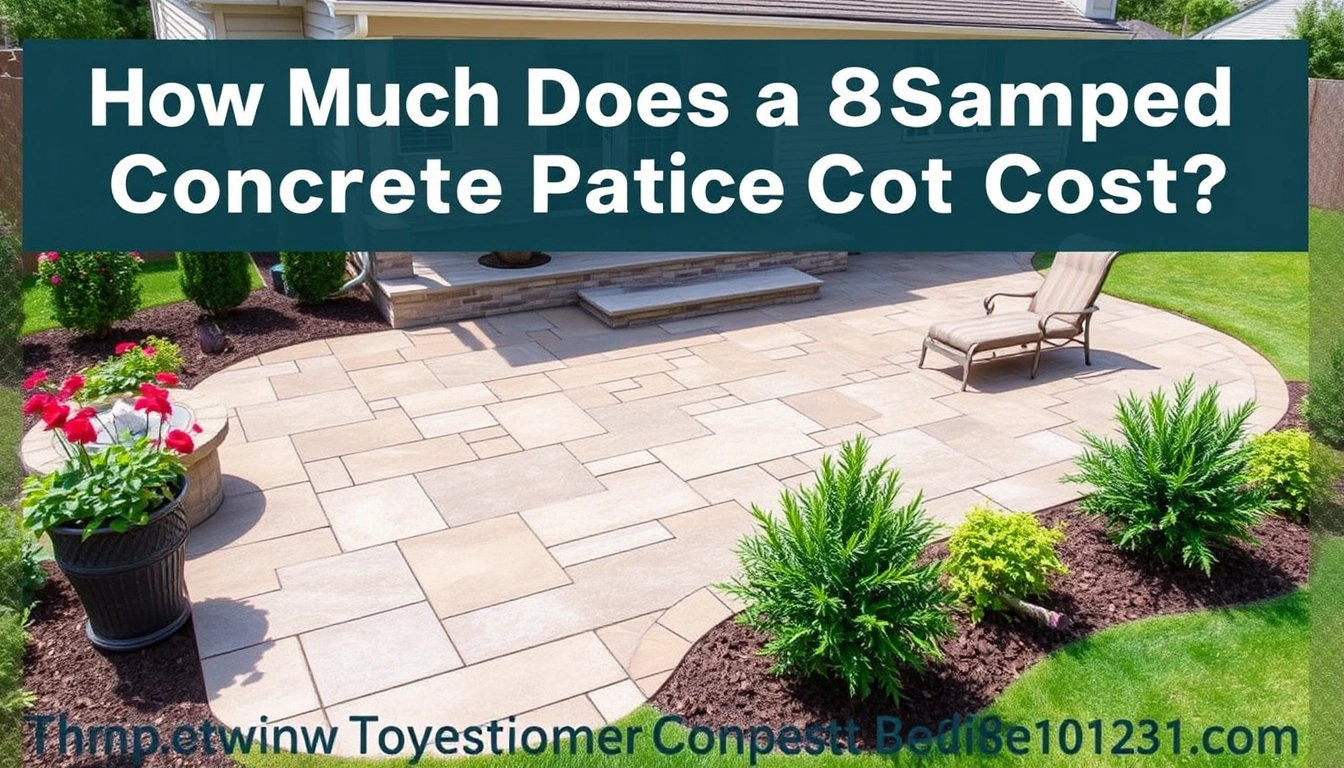
This is for a homeowner who wants a poured concrete patio with a stamped surface — not pavers, not a wood deck, and not a plain gray slab with a broom finish. I’m assuming you already have a rough size in mind, maybe 200 square feet, 300 square feet, or 500 square feet, and that you’re comparing local bids rather than trying to mix concrete yourself.
Usually, a stamped concrete patio price includes base prep, forming, reinforcement, concrete placement, coloring, stamping, control joints, and sealing. It may also cover demolition of an old patio, hauling spoil, steps, curves, drainage fixes, or a thicker edge where the slab meets a lawn or pool deck. Flat and open? Easier. But once slope, poor access, clay soil, or matching an existing slab enters the picture, the bill can jump quickly.
Because stamped concrete patio cost 2026 estimates hinge so much on site conditions, I would not pick stamped concrete if your goal is a surface that can be patched invisibly forever. Concrete shifts, and stamped textures make repairs harder to disguise than on plain slabs. It is also the wrong choice if you expect the lowest maintenance material over 20 years. Sealing is part of the deal; in freeze-thaw climates, that matters.
For budget planning, ask for pricing per square foot and a written list of inclusions. A quote that only says “patio install” is too thin to compare. If you want more context, concrete patios and patio installation are useful related pages.
How much does a stamped concrete patio cost in 2026?
In 2026, a stamped concrete patio often lands in a broad installed-price range, with simpler decorative slabs near the low end and projects with deeper prep, richer color, or heavier detail near the high end. For planning, the installed price per square foot is the number that actually helps, because that is how contractors usually build the bid. HomeAdvisor’s cost data on decorative concrete and stamped concrete, along with Angi’s pricing summaries, both show that decorative concrete pricing swings a lot with finish, complexity, and site conditions, so local quotes matter most.
A basic stamped pattern over a plain concrete patio is usually the cheapest decorative option. Add integral color, release color, multiple stamp mats, borders, and hand tooling around edges or steps, and the price rises. A single pattern on a simple rectangle will generally cost less than a patio mixing stone patterns, saw-cut borders, and several colors. Curves slow things down. Tight access does too. Small jobs also cost more per square foot because the crew still has to mobilize the truck, tools, and forms.
Prep is where the numbers often bite. A slab over sound subgrade with easy truck access is one thing; a patio that needs excavation, compacted base, drainage correction, and removal of an old slab is another. Soil type matters as well. Expansive clay, common in some regions, can push contractors toward better base work or thicker sections. In freeze-thaw areas, proper air-entrained concrete and sealing matter more than they do in milder climates. That’s the part that can feel like the bill grew teeth.
If you want a clean planning number, I’d think in tiers instead of chasing a single price. A simple stamped patio often behaves like a mid-range decorative concrete job. More elaborate work can get close to lower-end natural stone, especially on a large pad. If one contractor’s quote is far below the others, ask what disappeared: base depth, reinforcement, sealer quality, edge detail, or labor.
For a more local estimate, compare it with how much concrete patios cost and how much patio resurfacing costs.
What drives the price up or down?
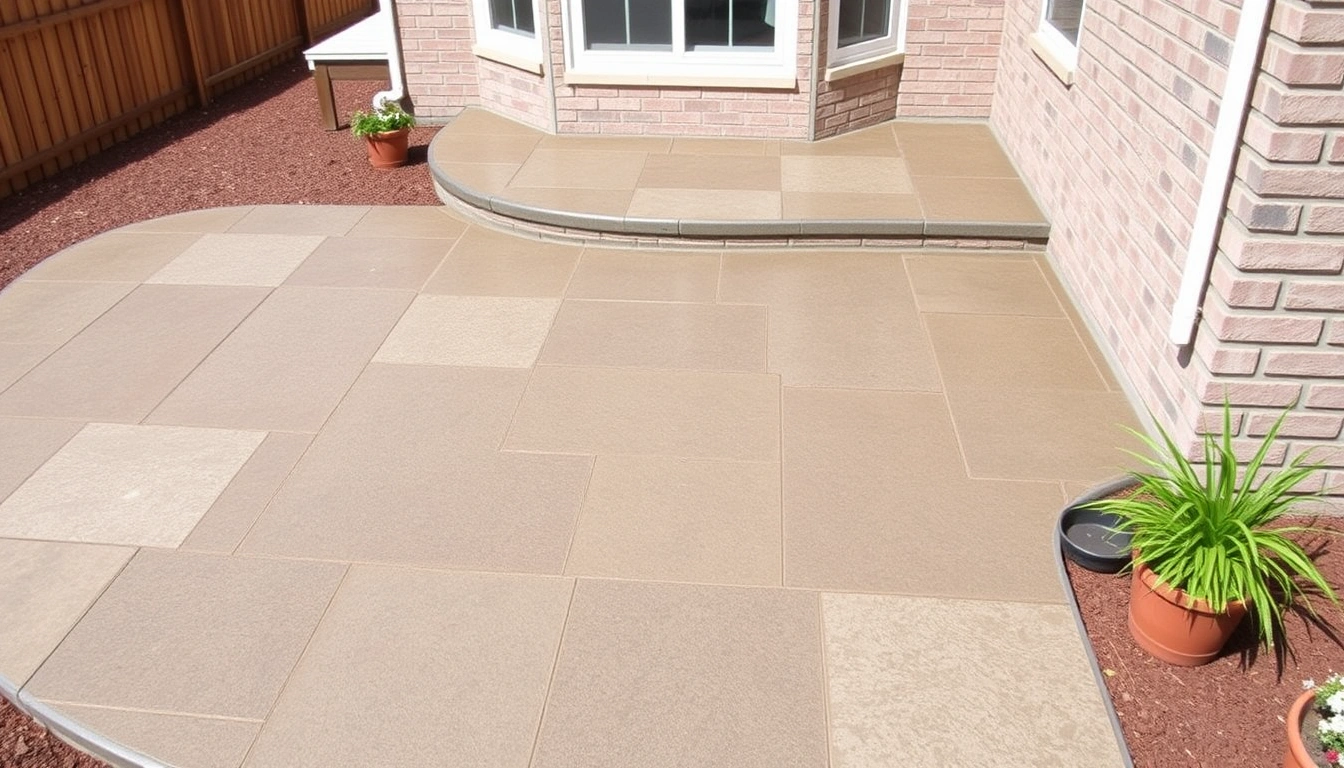
Stamped concrete is built in layers, and each layer can get more demanding. Size matters, but not in a neat straight line. A 400-square-foot patio is not always exactly twice the price of a 200-square-foot one because mobilization and setup get spread out. Usually, bigger patios still cost more overall, even if the price per square foot slips a little.
Here are the main cost drivers I’d keep an eye on:
- Pattern complexity: A single slate or ashlar pattern is simpler than a multi-mat pattern with borders. More detail means more labor and more chance of delays.
- Color method: Integral color is mixed through the slab. Release color is applied on top during stamping. Using both adds depth but also cost.
- Thickness: A standard patio is often about 4 inches thick, but areas with vehicle traffic or bad soil may need more concrete or thicker edges.
- Base work: Crushed stone base, compaction, and grading affect performance and price. A weak base is a cheap bid with expensive consequences.
- Access: If a wheelbarrow run is long, or a pump truck is needed, labor and equipment costs rise.
- Demolition: Removing an old slab, roots, patio footings, or buried debris can add substantial time.
- Edges and steps: Curved forms, seat walls, steps, and transitions to doors or pools are labor-intensive.
- Sealer choice: A higher-quality sealer costs more and usually lasts longer than a bargain product.
Be careful with any contractor who throws out a low square-foot number without asking about site conditions. That usually means the quote is incomplete. It may leave out excavation, reinforcement, control joints, or sealing. Cheap can turn pricey in a hurry. Ask what’s included before you compare totals.
What a good stamped concrete quote should include
A good stamped concrete quote should describe the slab build, not just the finish. If the contractor is serious, the proposal should say how thick the slab will be, what kind of base goes under it, what reinforcement is used, and what finish system you are paying for. That is how a homeowner separates a real bid from a placeholder.
I’d want these items in writing:
- Square footage and layout. The proposal should state the exact dimensions or a sketch. A “roughly 300 square feet” note is not enough to price accurately.
- Excavation depth. Many patios need several inches of soil removed before base material goes in. If the depth is not listed, ask.
- Base material and compaction. Crushed stone or similar aggregate should be compacted in lifts. If there is no mention of compaction, that is a red flag.
- Concrete thickness and mix. Four inches is common for a patio, but the mix design should match climate and use. In colder climates, air entrainment matters.
- Reinforcement. Rebar or wire mesh may be used depending on span, soil, and local practice. I would not accept a quote that ignores reinforcement entirely.
- Stamp pattern and color package. The pattern name, border detail, and coloring system should be listed.
- Sealing plan. Ask when it will be sealed and what product type is included.
- Cleanup and disposal. Old concrete, spoils, and packaging should be accounted for.
A quote with those details is easier to compare. If a contractor can only give you a total number and a start date, the proposal is too thin to trust. For decorative concrete, the small stuff matters because it affects how the patio looks after the first winter, not just on day one.
If you are comparing bids, it can also help to see broader pricing context from how much does a stamped concrete patio cost and how much does a concrete driveway cost.
How long does stamped concrete take?
A stamped concrete patio usually takes several days from layout to final sealing, and the slab itself is only one piece of that timeline. A small patio may be poured in a single day, but prep, curing, and sealing stretch the schedule.
For a straightforward job, I’d expect something like this:
- Day 1: layout, excavation, and base prep
- Day 2: forms, reinforcement, and final grading
- Day 3: pour, color, stamp, and finish
- After that: curing time before normal use and later sealing if the contractor waits
Walk-on time is often sooner than full-use time, though weather and mix design affect that. Hot, windy weather speeds surface drying but can make finishing harder. Cold weather slows curing. Rain can push the job back or damage a fresh surface.
A good finish has straight control joints, even stamp depth, color that looks deliberate rather than blotchy, and edges that don’t crumble. The pattern should line up cleanly at borders and steps. Minor color variation is normal in decorative concrete; obvious random dark patches, poor joint placement, or shallow stamping are not.
Because weather can move the schedule around, I’d be wary if someone promises a large patio in a single afternoon and never mentions the release agent, the stamping window, or the sealer. Stamped concrete has a narrow finishing window. Miss it, and the texture can go sideways fast. That is one reason stamped concrete patio cost 2026 estimates should include labor time, not just materials.
When should you stop and choose something else?
Choose a different surface when the site conditions or your expectations make stamped concrete the wrong fit. I’m not saying stamped concrete is bad; I’m saying it isn’t the best answer for every yard.
Very unstable soil or repeated settlement: this means the slab is likely to move and crack in ways a stamped finish will highlight — choose a different hardscape strategy or have the subgrade and drainage engineered first.
Heavy tree roots under the patio footprint: roots can lift or crack slabs over time — shift the patio location, reduce the footprint, or remove the tree only if that is appropriate for your property and local rules.
Need for invisible future repairs: stamped texture makes patching harder to hide — use plain concrete or pavers if easy spot repairs matter more than the decorative look.
Severe winter exposure with poor drainage: standing water plus freeze-thaw cycles stress decorative surfaces — fix grading, add drainage, or choose a more forgiving surface.
Frequent vehicle traffic or hot-tire loading: patio mixes and stamp details are usually meant for pedestrian use, not constant cars or trucks — specify a driveway-rated build or use a different surface.
Expecting a flawless natural-stone look up close: stamped concrete imitates stone, but it is still concrete — if you want authentic variability and repairable units, pavers or natural stone may fit better.
If any of those are true, I wouldn’t keep pushing for decorative concrete just because the first quote looked attractive. Wrong surface, wrong headache. Cheap only stays cheap until it starts cracking or moving.
The mistakes people make with stamped patios
The biggest mistake is taking the lowest bid without checking the slab build. A quote that saves $5 to $10 per square foot by skipping base work or sealer quality can leave you with a patio that cracks early or fades fast. The better move is to compare line items, not just totals.
Drainage gets ignored a lot too. If water runs toward the house, the patio can hold puddles, stain, or create icy spots in winter. That doesn’t just look bad; it also raises the chance of edge damage. Grade away from the foundation and verify the slope before the pour.
Busy patterns on very small patios are another trap. A dense pattern can crowd a tight space, and it can amplify layout mistakes. On patios under about 200 square feet, I’d use a simpler pattern and add a border if needed.
Skipping sealing — or waiting too long — is a fourth mistake. Unsealed stamped concrete can absorb stains and lose color faster. I’d confirm the seal schedule in the contract and ask what maintenance interval is expected.
Cracks confuse people too. Decorative concrete is not crack-proof. Control joints are planned cuts that help the slab crack in a controlled place; random cracks are a problem. If a contractor says the slab will never crack, I wouldn’t trust that bid.
Access is the last common miss. If the crew has to carry material a long distance or work around fences and landscaping, labor goes up. Telling the contractor about access after the quote is how change orders start.
What I would ask before signing a contract
Before I signed anything, I’d ask five direct questions. First: what is the total installed price, and what is excluded? Second: how thick will the slab be, and what base goes under it? Third: is sealing included, and if so, what type? Fourth: how many control joints will you cut, and where? Fifth: what happens if weather delays the pour?
Those questions force the contractor to explain the job in build terms, not marketing terms. They also show whether the estimate assumes a simple open pad or a more difficult site. If any answer is fuzzy, I’d get a second bid.
I’d also ask for a written description of color and pattern. “Stone look” and “ashlar” can mean different things to different crews. A small sample board or product name is better than imagination. In decorative concrete, the gap between “we talked about a slate pattern” and “the proposal lists the exact pattern and release color” can be the difference between a patio you like and one you merely live with.
FAQ
How much does a stamped concrete patio cost per square foot in 2026?
It varies by region and scope, but it is usually priced as a decorative concrete project rather than plain concrete. The exact square-foot number should come from local bids that include base prep, stamping, color, and sealing.
Is stamped concrete cheaper than pavers?
Often yes at the start, especially for simpler layouts, but not always once you add extensive prep, borders, or complex patterns. Pavers can cost more up front and may be easier to repair later.
How long will a stamped concrete patio last?
A well-built one can last many years, but longevity depends on base prep, drainage, climate, and maintenance. Sealing and joint maintenance matter more than many homeowners expect.
Does stamped concrete crack?
It can, because concrete moves and shrinks as it cures and changes with weather. Control joints help manage where cracks appear, but they do not eliminate cracking.
What is the biggest thing that changes the price?
Site preparation usually has the biggest impact. A simple open yard is one price; demolition, poor access, drainage work, or unstable soil can raise it fast.