Last updated: October 24, 2026
Key Takeaways
- UV light fades the top layer first, so the patio face loses color before the slab is damaged.
- Fade protection works best when a UV-resistant sealer helps block exposure and the surface stays clean.
- The order matters because dirt or an over-dry surface can make a good product fail early.
- Using the wrong sealer or applying it too heavily can make stamped concrete look older faster.
Stamped concrete patio UV fading is best controlled with a combination of UV-resistant sealer, pigment-aware maintenance, and shade reduction. How to Protect a Stamped Concrete Patio from UV Fading starts with the right sealer, because a patio that already looks dull usually needs slower color loss, not a “restore new” one-coat fix. On a sunny patio, even one season of poor care can make the top layer look flat.
Stamped concrete fades because ultraviolet light breaks down the color at the surface and, over time, the binder that holds pigments in place. The fix is not one product alone. A good color fade protection plan uses the right sealer, keeps the surface clean, limits harsh sun exposure where possible, and avoids maintenance mistakes that strip the finish faster than the sun does. According to the U.S. Environmental Protection Agency, UV exposure is strongest around midday, and that timing matters for exposed patios.
Why stamped concrete fades in the sun
Ultraviolet light weakens the very top layer first, so the face of the patio loses color before the slab itself is damaged. That matters because stamped concrete gets its look from pigment, release color, stain, or a color hardener near the surface. Once that top layer weathers, the pattern can still be there but the contrast looks flat. A patio can lose visual depth even when the concrete remains sound.
The problem is not just “sunshine.” South- and west-facing patios usually fade faster than shaded ones because they take longer daily exposure, especially in open yards with no overhang or trees. Darker tones often show change more quickly because fading is easier to see on deep browns, reds, and charcoals. Lighter colors can fade too; they just hide it better. In practical terms, one exposed section can age faster than the rest of the patio in a single season.
A mistake many owners make is assuming the color itself is failing. Sometimes the concrete is fine and the sealer has simply worn down, which removes gloss and makes the patio look washed out. In other cases, the pigment has actually been bleached or weakened. The difference matters because a worn topcoat can often be corrected with cleaning and a fresh protective layer, while true pigment fade may only be improved, not erased. The National Park Service also notes that surface coatings and finishes can change how materials weather, which is why the top layer matters so much.
For a broader view of safety and durability topics tied to patio performance, the hub article on stamped concrete patio performance and safety fits here.
What actually protects color fade protection on a patio?
Color fade protection works best when the sealer blocks or slows UV exposure and the surface stays clean enough that the finish can do its job. A standard acrylic or polyurethane sealer may add appearance and basic protection, but the key detail is whether the product is made for exterior UV exposure and whether it includes UV inhibitors. On many patios, that choice makes more difference than sheen alone.
A patio sealer does two things at once. First, it forms a sacrificial film over the stamped surface. Second, it helps reduce water intrusion, which matters because moisture and sunlight together make many finishes look tired sooner. A UV-resistant topcoat is usually the main defense, but it is not a shield that lasts forever. If a product is too thin, has the wrong solids content, or is applied unevenly, the surface can still fade in patches. A sealer that lasts 1 to 3 years before renewal is common, depending on exposure and traffic.
Tint can help, but only in the right way. A lightly tinted sealer or maintenance stain can restore lost depth and disguise uneven fading. That is useful when the slab has become blotchy. It is not the right move if you want a totally natural, matte look, and it can change the appearance more than some homeowners expect. In other words, a little tint can help, but it should be tested first.
Shade structure is the other real lever. A pergola, patio cover, retractable awning, or even a well-placed shade sail can cut direct sun on the most exposed section for several hours a day. That does not remove the need for sealer, but it slows the rate of color breakdown. In hot, high-UV climates, shade is often the difference between minor dulling and obvious washout after a few seasons. A few hours of shade can protect the top layer far more than a heavier coat of sealer.
How to protect stamped concrete patio UV fading step by step
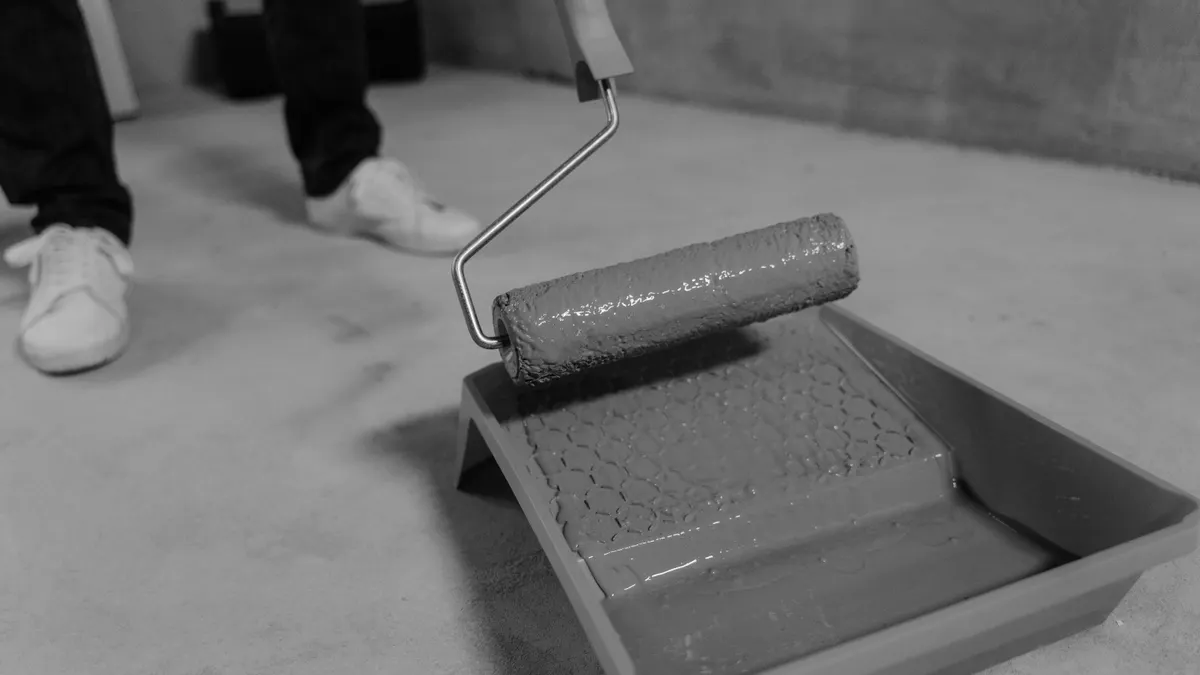
You protect a stamped concrete patio from UV fading by cleaning it well, choosing a UV-stable sealer, applying it evenly in controlled conditions, and adding shade where the patio gets the hardest sun. The order matters because a dirty or over-dry surface can make even a good product fail early. A careful sequence is more important than adding extra product.
- Clean the patio thoroughly with a pH-neutral concrete cleaner and a stiff broom or low-pressure rinse, then let it dry for at least 24 hours if the weather is warm and dry. The result should be a surface with no dust, leaf tannins, grease, or chalky residue that would block sealer adhesion.
- Inspect the color pattern in full sun and shade so you can see whether the fading is uniform or patchy. Uniform dulling usually points to worn sealer; patchy loss often means sun exposure has been uneven, such as near furniture gaps, railings, or an open edge.
- Choose a sealer labeled for exterior concrete and UV exposure, and decide whether you want gloss, satin, or matte before purchase. A gloss sealer usually deepens color the most, while a matte finish hides wear better. The trade-off is appearance versus how much “wet look” you want to preserve.
- Test a 2-by-2-foot area in an inconspicuous spot, especially if you are adding tint or changing sheen. This lets you see whether the color enhancement is too strong, too amber, or too slippery before committing to the whole patio.
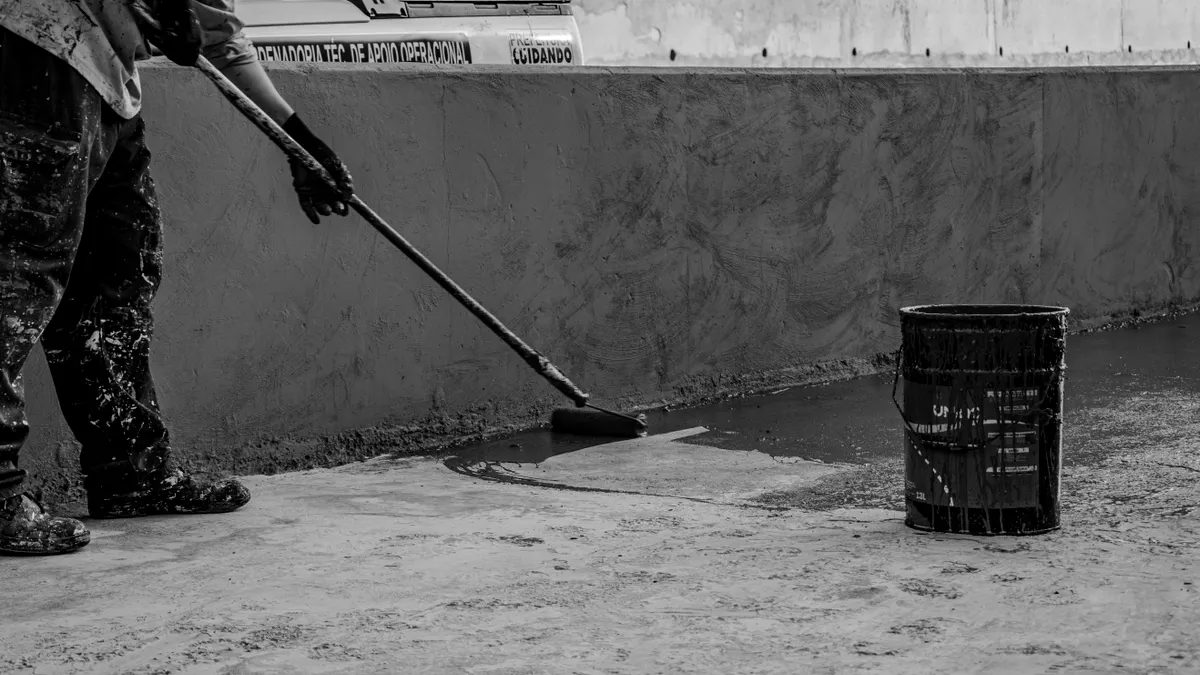
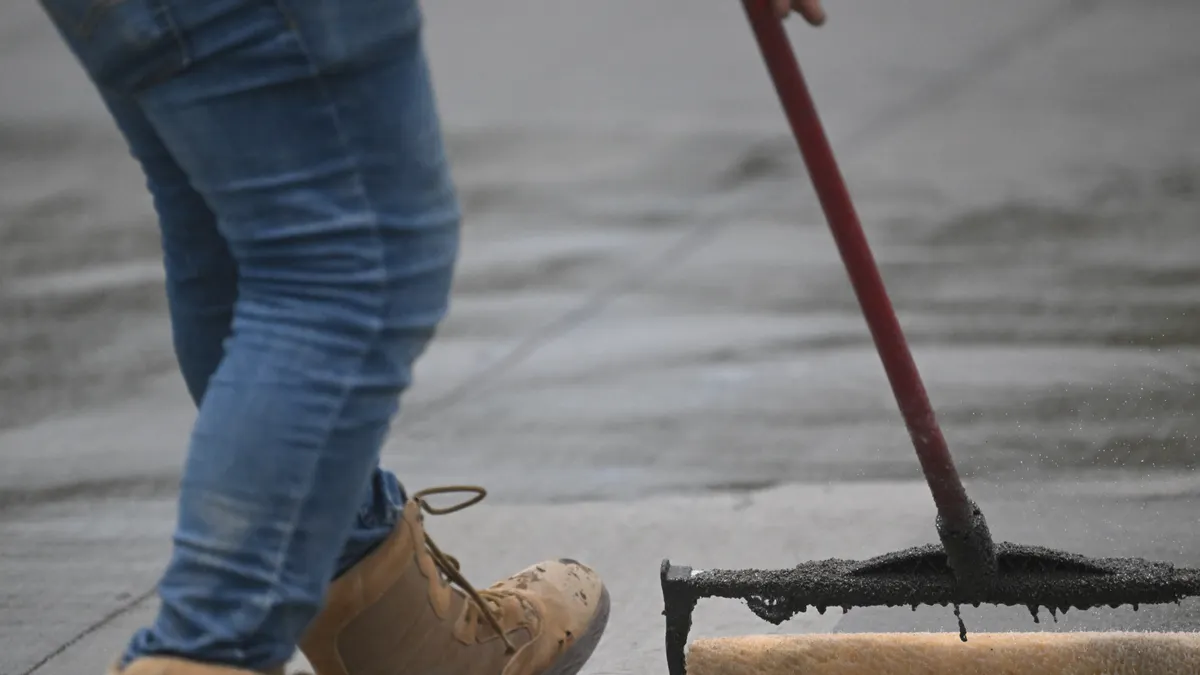
- Apply the product in thin, even coats with a pump sprayer or roller on a dry day, ideally when the surface temperature is moderate and not scorching hot. Two thin coats usually give better control than one heavy coat, which can haze, trap solvent, or create glossy lap marks.
- Add shade to the most exposed side first if the patio gets hard afternoon sun. A 10-foot pergola section, awning extension, or shade sail can reduce direct exposure where the fading is worst and make the sealer last more evenly.
- Keep traffic and furniture from grinding the finish by using felt pads and avoiding sharp metal feet. That protects the topcoat from scuffs that make UV damage look worse long before the concrete itself is actually weakened.
The biggest practical point is this: the sealer should be part of the protection plan, not the whole plan. On a fully open patio, a UV-resistant topcoat slows fading. On a patio with shade structure coverage, it can hold the look much longer because the sun never hits the same square footage all day. This is why patio care works best as a system, not a single product.
The mistakes that make fading worse
The fastest way to make stamped concrete look older is to use the wrong sealer or put it on too heavy. A thick coat can trap moisture, turn cloudy, or peel, and once that happens the patio often looks worse than it did before. If the finish hazes, the owner usually ends up paying for stripping and reapplication instead of simple maintenance. One bad coat can undo years of surface protection.
Another common mistake is washing with harsh chemicals or a pressure washer set too aggressively. Strong cleaners can dull pigment and strip the protective film. Excessive pressure can etch the high points of the stamped texture, which makes the color read unevenly. A fan tip and moderate pressure are safer than a narrow jet blasting one spot. For most patios, gentle cleaning is enough.
Skipping shade is another error. Some homeowners expect sealer to do the work that a pergola or awning would do better. That is a costly assumption because UV exposure keeps attacking the same area day after day. If one section of the patio gets six or more hours of direct sun while the rest stays shaded, the whole surface will age unevenly. Shade can reduce that difference by a few hours each day.
The last mistake is waiting until the patio looks chalky and bare before doing anything. Once the finish is gone, the concrete begins to weather faster. Preventive maintenance is cheaper and less disruptive than a full corrective job. A patio that still has some gloss and water beading is usually easier to protect than one that has already turned pale and dry. Early care is usually simpler than restoration.
What costs more, what lasts longer, and what is not worth doing
A basic protection plan costs less when it is done before severe fade starts, because prep is simpler and the finish is easier to renew. Once the surface has become blotchy or the old sealer is failing, labor goes up. That is true whether the job is handled as a homeowner project or by a contractor. A small maintenance job is usually easier than a full strip-and-reseal.
What drives the price is not only square footage. Surface condition matters, especially if the old sealer has to be stripped. The amount of sun exposure also affects the recommendation. A patio in a shaded courtyard may need only a straightforward maintenance coat, while a wide-open patio in a high-UV region may need better sealer chemistry, more careful prep, and shade added to the design. Condition, exposure, and product choice all affect cost.
A contractor is worth calling when the patio has widespread whitening, peeling, or color loss that is not responding to cleaning alone. A professional can also help match sheen and tint more accurately, which matters when the goal is color enhancement rather than a complete appearance change. If the job is small and the finish is straightforward, a capable homeowner may handle it. If there is old coating failure, the risk of a bad result rises fast. For complex jobs, expert matching can save time and mistakes.
What is not worth doing is piling on product to “force” color back. One thick rescue coat can create slipperiness, trapped solvent odor, or a sticky surface that collects dirt. That usually looks worse than subtle fading. A measured repair, plus better shade, is the smarter move. A lighter correction often lasts longer than an aggressive one.
How to tell if the patio needs protection now
The patio needs protection now if the color looks flatter in direct sun than it does in shade, or if water no longer beads consistently on the surface. A simple look test works well: step outside at midday and compare a sunny section to a protected corner. If the sunny area appears pale, dusty, or less crisp in the stamped detail, UV wear is already active. The change can be subtle at first.
Another sign is a loss of sheen in just one traffic pattern, such as the path from the back door to the seating area. That often means the topcoat is thinning in the hottest exposed route. If the patio has only slight dulling, the fix is usually straightforward. If it has broad fading across several zones, the goal shifts from restoration to damage control. A 1-time touch-up may be enough when the wear is still limited.
Climate matters here. In the Southwest and other high-sun regions, direct exposure is a bigger problem than intermittent summer heat. In humid regions, moisture can complicate the sealer choice because a finish that looks fine one season may cloud or wear unevenly if it traps dampness. Windy sites can also age faster because dust acts like fine abrasive paper. Site conditions often decide how quickly the finish breaks down.
The right decision is not always to deepen the color. Some patios look best with only a modest sheen and a clear UV-resistant finish. That is especially true when the owner wants a natural concrete look and is trying to protect, not repaint, the surface. A subtle finish can still protect the patio without changing it too much.
Does stamped concrete fade in the sun?
Yes, stamped concrete can fade in the sun because ultraviolet light breaks down the surface color over time. The rate depends on pigment type, sealer condition, and how much direct exposure the patio gets each day. South- and west-facing areas usually show the change first. A patio in full sun can fade faster than one that gets afternoon shade.
How do you keep stamped concrete from fading?
You keep stamped concrete from fading by using a UV-resistant sealer, maintaining a clean surface, and cutting direct sun with a shade structure where possible. Thin, even sealer coats help more than heavy ones, and a lightly tinted maintenance coat can restore depth if the color has already dulled. Regular cleaning also helps the finish last longer.
Will sealer stop color fading on a patio?
No, sealer will not stop color fading completely, but it can slow it down a lot when the product is meant for exterior UV exposure. The best results come from combining sealer with shade and routine cleaning, because the finish alone cannot block every hour of ultraviolet light. A patio protected by both sealer and shade usually lasts longer than one relying on sealer alone.
Drafted with AI; not yet reviewed by a person.