Last updated: October 21, 2026
Key Takeaways
- Stamped concrete’s slip resistance depends on texture, sealer, and maintenance.
- A stamped concrete patio feels slick when shoe tread cannot catch the surface texture.
- A textured stamp with low-sheen sealer often improves grip; no topical sealer can help too.
- The simplest fix is to keep the design and add traction.
A stamped concrete patio can be reasonably slip-resistant, but a stamped concrete patio is not automatically safe in the rain. Quick answer: it can be safe enough for everyday outdoor use, but traction depends on the finish. Slip resistance depends on the stamp texture, the finish applied, and whether the slab is sealed, so the same patio can feel secure in one season and slick in the next. If you are unsure, consult a qualified concrete contractor and check guidance from the American Concrete Institute and OSHA on walking-surface traction.
The short answer on slip resistance
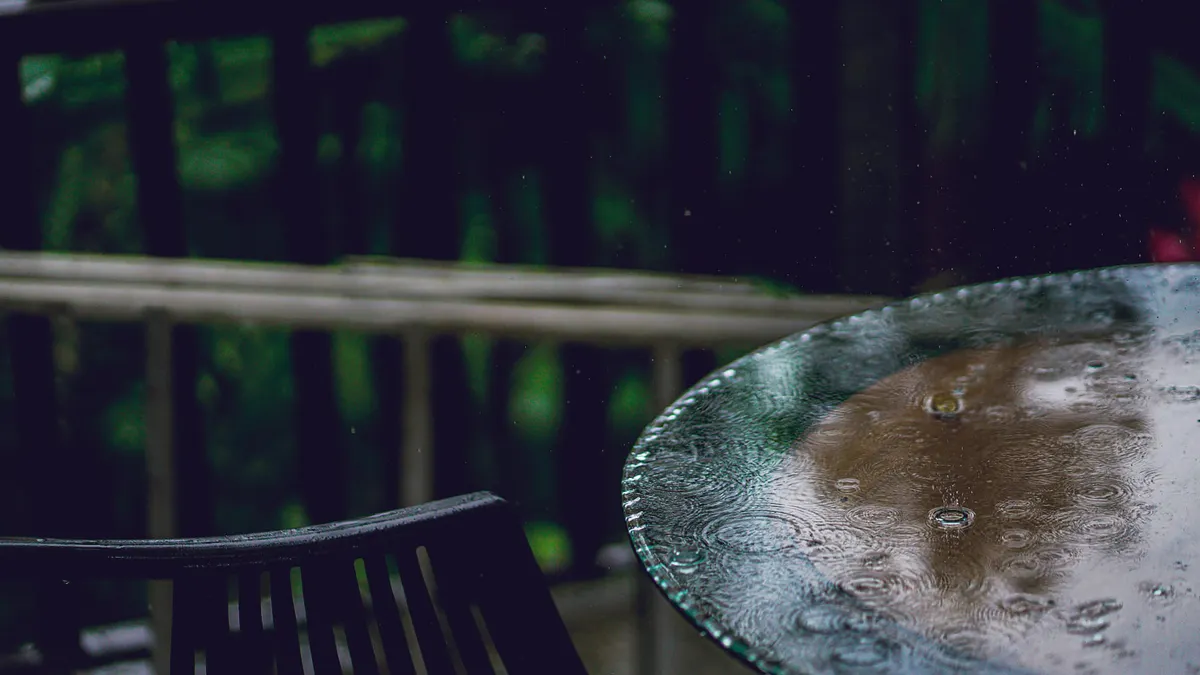
Stamped concrete is only as slip-resistant as its surface texture and sealer allow. A deep, well-defined textured stamp gives more bite underfoot than a flat pattern, while a glossy sealed concrete surface can reduce traction, especially on a wet concrete surface or where algae and dust build up. For more on finish selection, see the stamped concrete patio guide, concrete sealer options, and patio safety tips.
That is the core issue: stamped concrete is decorative first, and traction comes from the details. A patio stamped to mimic slate or stone may have plenty of micro-texture. A smoother pattern, or one that is worn down at the walking path, can feel much more slippery when water, pollen, or patio furniture feet add to the problem.
If you are trying to decide whether to install one, the honest answer is this: a stamped concrete patio is usually fine for normal outdoor use when it has the right finish, but it is not the best choice for someone who wants the grippiest possible surface in a rainy climate or around a pool. For that reader, a broom finish or a more aggressively textured surface is often safer.
The title question is not really “is it slippery?” but “how much grip does this exact finish keep after sealers, rain, and time?” That is the question this page answers. It also supports the broader stamped concrete patio performance and safety hub without repeating the durability discussion there.
What makes a stamped concrete patio feel slippery?
A stamped concrete patio feels slippery when the surface has less texture than your shoe sole needs to catch. Texture depth, sealer sheen, and moisture are the three main causes.
A deep stamp with crisp lines gives the tread something to bite into. A shallow pattern can look detailed but still feel slick under wet sandals. A smooth border, a worn step edge, or a troweled section inserted for decoration can become the weakest spot on the patio.
Sealer changes the feel too. Penetrating sealers usually preserve more traction than thick film-forming sealers. A glossy sealer can make a patio look richer, but it can also lower grip on a wet concrete surface. If the sealer was applied heavily, or reapplied over dust and old residue, the surface can feel even slicker than the raw concrete did.
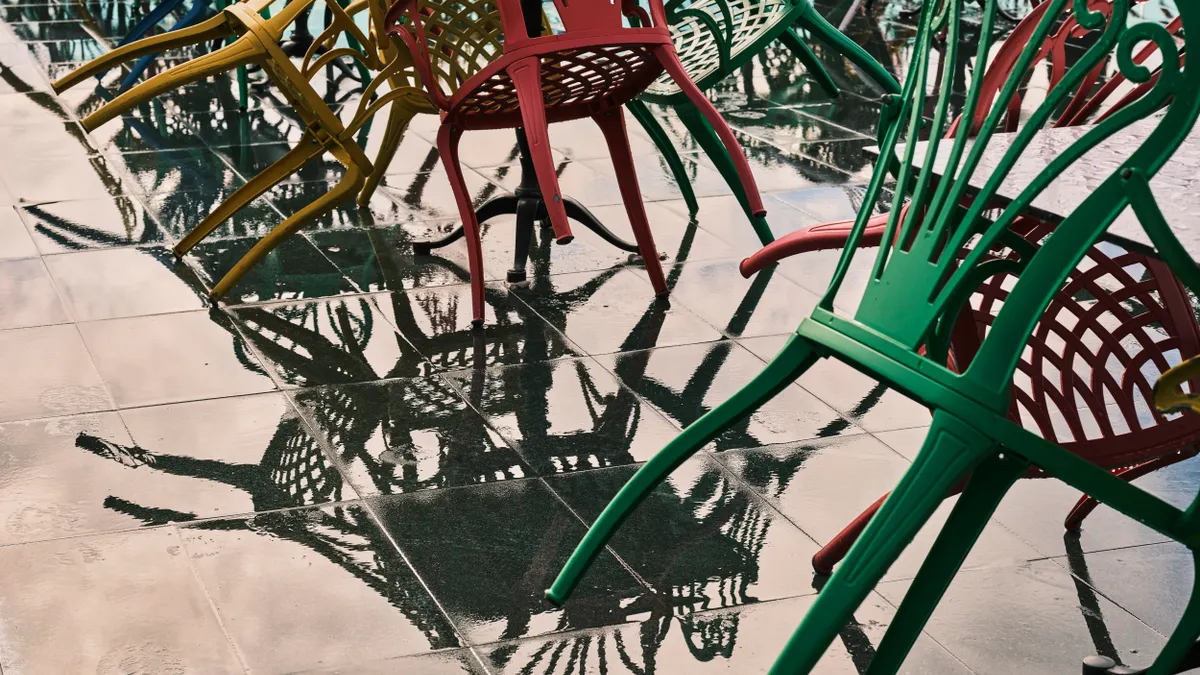
Weather matters because stamped concrete does not have to be icy to be hazardous. Rain, condensation, dew, spilled drinks, and damp leaves all reduce friction. In shaded areas, the top film can stay damp longer. In dry heat, the same patio may feel fine barefoot or in rubber-soled shoes.
The biggest mistake people make is judging slip resistance by looks alone. A stamp that resembles rough stone does not guarantee grip. The finish system matters more than the pattern name.
Which finish choices give better grip?
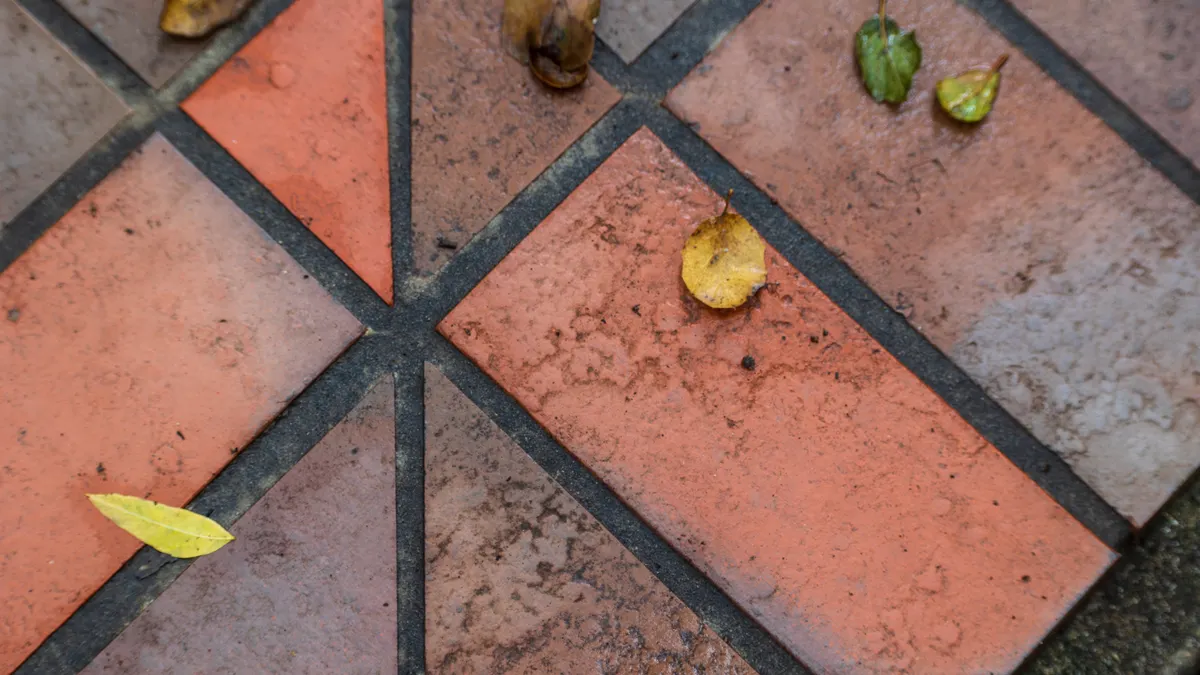
The best grip usually comes from a textured stamp paired with a low-sheen sealer or no topical sealer at all, although site conditions still matter. A broom finish still outperforms many decorative stamped finishes for traction, which is why it remains common on steps, walkways, and pool decks.
Here is the practical trade-off. A highly decorative patio can look more like natural flagstone, brick, or slate, but more visual polish often means more chance of slickness. A broom finish is less decorative, yet the fine grooves make it one of the simplest ways to improve foot traction. If the patio is mostly for dining and lounging, a moderate texture is often enough. If it sits near a pool, hot tub, or slope, I would lean toward more bite rather than a smoother look.
What matters most is how the final surface feels under wet shoes, not how it photographs on install day. A contractor can stamp a pattern with deep joints and then use a sealer that leaves a satin finish. That combination usually works better than a shallow stamp with a glossy finish. According to the CDC and NIOSH, wet walking surfaces are a common slip hazard, so a contractor should match finish details to the site.
A good way to think about it:
- Deep texture: better traction, slightly harder to keep perfectly clean in the grooves.
- Shallow texture: easier to clean, but more likely to feel slick.
- Broom finish: strongest grip, least decorative.
- Smooth stamped finish: best look, weakest friction unless modified.
If the patio must serve older adults, kids running in and out, or anyone with balance concerns, I would not choose a glossy decorative finish just for appearance. That is the wrong surface for that use case.
How can a contractor improve traction without ruining the look?
A contractor can improve traction by pairing the stamp with a non-skid additive, choosing a lower-sheen sealer, and keeping texture open enough that the pattern still does some of the work.
The standard fix is simple in concept: keep the design, add grip. A non-skid additive is mixed into the sealer or broadcast into the finish coat so the surface does not become a polished sheet. The goal is not sandpaper. The goal is to add enough micro-grit that shoes do not skate across the film when it gets wet.
A workable installation sequence looks like this:
- Choose the stamp pattern first. Ask for a textured stamp with visible relief, not a flat or overly smooth pattern. The result should be a patio with a surface you can feel underfoot.
- Specify the sealer finish. Satin or low-gloss usually gives more traction than high-gloss. The result should be a sealed concrete surface that still reads as textured, not shiny plastic.
- Ask for a non-skid additive in the top coat. This gives the walking surface extra bite without changing the whole patio’s appearance. The result should feel less slick when moisture is present.
- Keep smooth zones limited. Borders and saw-cut bands look clean, but too many smooth sections can become slip points. The result should be decorative detail without creating one long slick strip.
- Check the plan for stairs, slopes, and entries. These spots need the most grip because momentum and water both collect there. The result should be the safest path where people actually step.
This is where a contractor’s judgment matters. A patio can be made safer without being ugly, but there is a limit. If the design calls for a high-gloss showroom look, traction will usually suffer.
What should I ask before I hire someone for this patio?
Ask how they handle slip resistance on stamped concrete, what sealer they use, and whether they will add a non-skid additive to the final coat.
That conversation should be specific, not vague. A capable contractor can explain the difference between a textured stamp, a broom finish, and a sealed concrete surface that has been modified for grip. If they talk only about color, pattern, and curing time, they are missing the safety part of the job.
Here are the questions that matter most:
- Will this stamp have enough texture depth for wet conditions?
- What sheen will the sealer leave: matte, satin, or gloss?
- Will you use a non-skid additive on the final coat?
- What happens on steps, slopes, and door thresholds?
- How soon after sealing can the patio be walked on?
That last question is practical, not decorative. A patio can feel slippery during the first day or two after sealing even if the final product will be fine later. Ask for the exact dry time and cure guidance for the products being used, and consult the product manufacturer or a concrete professional because the timing depends on the material system, temperature, and humidity.
Also ask for the maintenance plan in plain language. If the answer sounds like “just reseal it whenever it looks dull,” press for more detail. A slick patio often starts with a sealer that was chosen for shine, not traction.
Who this is not for: if you want the glossiest possible surface and you expect it to stay grippy in heavy rain, stamped concrete is the wrong match. You cannot maximize shine and traction at the same time.
Wet weather safety: when a stamped concrete patio becomes a problem
A stamped concrete patio becomes more hazardous when it is wet, shaded, or coated with a slick sealer. Rain alone does not make it unsafe, but rain on a smooth or glossy surface is the combination that creates trouble.
The risk climbs in a few predictable settings. Covered patios can stay damp from morning dew. Shady yards can grow film on the surface. Areas near sprinklers, planters, or grill drips can collect moisture in patches. Even a slight slope changes the way water moves, and that thin sheet of moisture is enough to reduce traction.
This is why the worst slip events usually happen in transition zones: just outside a door, on a step, or where people turn quickly while carrying a drink. The patio may feel fine in the middle and slick near the edge. According to OSHA, slips and falls remain a major workplace hazard, which is another reason wet walking surfaces deserve a traction plan.
A few precautions help:
- Keep the surface clear of leaves, mud, and standing water.
- Use outdoor mats only where they do not curl or trap moisture.
- Add traction at entries and steps, not just the center of the patio.
- Ask for a finish that stays grippy after sealing, not only before it.
If you live in a wet climate, the safest design choice is usually a more textured stamp with restrained sealer sheen. That does not mean you must avoid decorative concrete. It means the patio should be designed for the weather it actually sees, not the weather shown in the brochure. For layout ideas, compare pool deck finishes and outdoor concrete textures.
The verdict on slip resistance
Stamped concrete can be safe enough for a patio, but its slip resistance is a design choice, not a built-in guarantee.
If the patio uses a deep textured stamp, a low-sheen sealed concrete finish, and a non-skid additive where needed, it can work well for everyday outdoor use. If it uses a glossy sealer over a shallow pattern, expect less traction when water gets on it. For pure grip, a broom finish still wins. For appearance, stamped concrete wins. The right choice depends on which one matters more on that site.
If I were judging this for a homeowner, I would say this: stamped concrete is a good option when the patio is decorative first and safety-conscious second, but the finish details must be chosen carefully. It is not the best surface for someone who wants maximum traction in wet weather with no compromise on look.
For a broader look at how stamped concrete performs in real outdoor use, the hub on stamped concrete patio performance and safety is the right next stop. For official guidance, see OSHA walking-working surfaces and the CDC/NIOSH slips, trips, and falls page.
Are stamped concrete patios slippery when wet?
They can be. A stamped concrete patio with shallow texture or a glossy sealer is more likely to feel slick when wet than one with deeper pattern relief and a lower-sheen finish. Wet weather, shade, and buildup on the surface all reduce traction, so the exact finish matters more than the stamp itself.
How do you make stamped concrete less slippery?
You make stamped concrete less slippery by increasing texture and reducing surface shine. A non-skid additive in the sealer, a satin or matte finish, and a more textured stamp all help. In some spots, a broom finish or a slip-resistant treatment on steps and entries is the better fix than a shiny decorative coat.
Does sealer make stamped concrete slippery?
It can. A sealed concrete surface often looks better and resists stains, but some sealers reduce traction, especially glossy film-forming products. Penetrating or lower-sheen sealers usually keep more grip. The safest approach is to ask for a sealer system that protects the patio without turning the walking surface into a slick film.
Drafted with AI; not yet reviewed by a person.